
Introduction to Kukkutasana
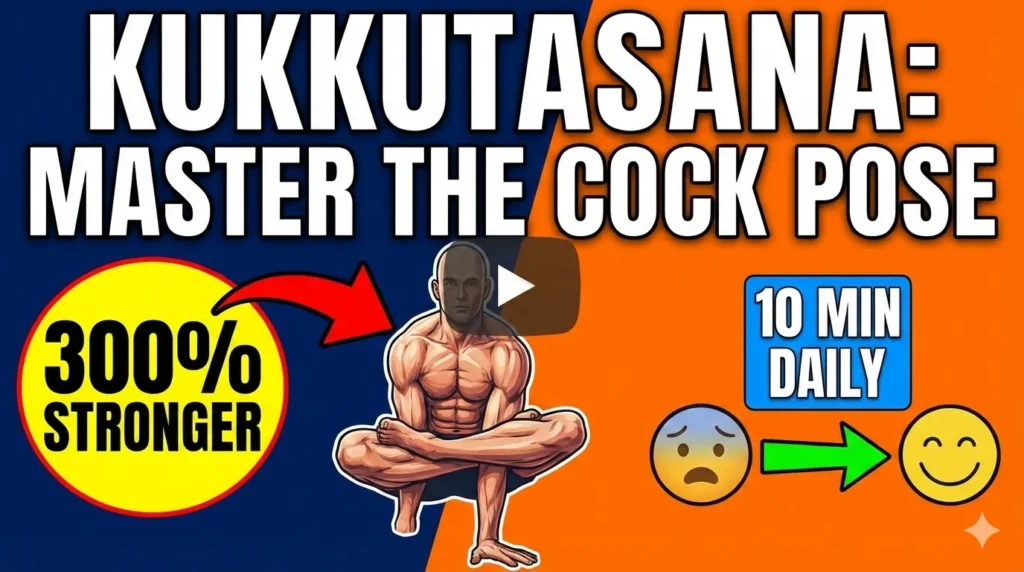
Kukkutasana is one of the yoga poses that attract attention immediately. After a few minutes of practicing it, I could understand the reasons why it is not only an arm balance to be respected but also feared. Kukkutasana is a sitting posture that puts a test of my strength, balance, patience, and concentration simultaneously. It is called the Rooster Pose and it appears to be a tough one but through the right preparation and knowledge, it is such a good and attainable pose.
In this paper, I will take you through all that you will need to know about Kukkutasana, its benefits, how to perform it and some tips and precautions that I experienced during the practice. Curious or determined, this guide will provide actual value.
What Is Kukkutasana in Yoga?
Kukkutasana is a seated arm-balance pose that is mentioned in traditional Hatha Yoga texts. The name comes from Sanskrit:
Kukkuta = Rooster
Asana = Pose
Here, the hands pass through the legs that are crossed, the palms firmly pressed onto the floor and the whole body is raised off the ground. The first time I tried Kukkutasana, I soon discovered that one needs more than flexibility to do it. It involves alignment of the power and breath.
The Kukkutasana Effects in the Body.
Kukkutasana engages more than one group of muscles simultaneously. I can feel involved in the whole body when maintaining the posture.
Primary Muscle Engagement
Arms and shoulders
Wrists and forearms
Core and abdominal muscles
Hip flexors
Upper back
This is a complete body involvement and that is why the Kukkutasana pose is sometimes taken as a reference point to the senior practitioners.
How to Practice Kukkutasana.
Kukkutasana should be practiced only when prepared otherwise frustration or injury may be caused. I would always advise taking these steps into account.
Step 1: Start in Padmasana
Take your seat with Lotus Pose.
Hold my back straight and firm.
Take a deep breath and relax my nervous system.
Step 2: Thread the Arms
Each arm, very tenderly, between the thighs and calves.
Palms are down on the sides of my hips.
Fingers are open to maintain balance.
Step 3: Engage and Lift
Stamp the palms deep into the floor.
Engage my core muscles.
Lift my hips, legs and body slowly up off the ground.
Step 4: Hold and Breathe
Maintain steady breathing.
Keep my gaze forward.
Pause up to 10-30 seconds or otherwise.
Step 5: Release with Control
Lower my body slowly.
Return to Padmasana.
Calm down and notice feelings.
Benefits of Kukkutasana
Personally, Kukkutasana has more than physical fitness benefits to be considered.
Physical Benefits
Develops good muscles and shoulders.
Enhances the grip of the wrist and forearm.
Strengthens the core deeply
Improves coordination and balance.
Tones abdominal muscles
Psychological and Physiological Advantages.
Improves concentration and attention.
Develops self-confidence and discipline.
Promotes patience and self belief.
Activates the Manipura Chakra.
Whenever I do Kukkutasana, I will be mentally empowered, albeit the hold is brief.
The 10 Most Common Kukkutasana Pitfalls.
It was a great difference between imperfections in my progress.
Poor warm-up before taking the pose.
Locking the elbows
Holding the breath
Forcing the legs or arms
Ignoring wrist discomfort
Advancement in Kukkutasana is not by coercion.
Contraindications Kukkutasana.
Kukkutasana is powerful but not appropriate to all people.
Avoid or Modify If You Have
Wrist injuries
Shoulder pain
Elbow issues
Severe back problems
Recent abdominal surgery
I would never recommend this pose unless the person is working with a trained yoga instructor, particularly when they have any form of injury.
Kukkutasana Preparations.
These postures made me gain strength and confidence.
Padmasana
Bakasana (Crow Pose)
Lolasana
Chaturanga Dandasana
Plank Pose
When these are practiced regularly, Kukkutasana is much more accessible.
Coughing Techniques in Kukkutasana.
Breath control is essential.
Inhale before lifting
Have slow and steady breathing.
Avoid breath retention
Exhale gently while holding
When I coordinate my breath with action, the posture will be lightened and more disciplined.
Spiritual Implications of Kukkutasana.
Conventionally, Kukkutasana is a symbol of inner awakening. The rooster is a symbol of alertness and preparation. This pose helps me to be mindful, disciplined, and present on and off the mat.
Shortcuts: Kukkutasana FAQ
Can Kukkutasana be used by beginners?
No. Kukkutasana is a challenging pose. Initiators need to develop strength and flexibility.
What is the duration of Kukkutasana?
I would begin with 5-10 seconds and go slowly.
Able to practice Kukkutasana everyday?
Yes, but upon the condition that my wrists and shoulders are healthy and rested.
Would you recommend Lotus Pose to Kukkutasana?
Padmasana is used in Kukkutasana. More rare are modified versions but they do exist.
What is the largest advantage of Kukkutasana?
In my case, it is the physical prowess and mental concentration.
Summative Kukkutasana.
Kukkutasana is not any yoga pose just. It is a trial of patience, strength and self-belief. This position, in turn, helped me understand that improvement is achieved when I respect my boundaries and stretch them slightly. Being a conscious awareness of the yoga practice, Kukkutasana may turn into one of the strongest yoga poses.
It should be approached with humility, taken deep, and the process should mold the body and mind.