
yoga for sharp mind and memory
Well, I tell you, my memory was beginning to get like a dusty old filing cabinet. I would enter a room and forget why, I had trouble with remembering names and my mind at work was, not focused at all. I realized I required a natural one, something that does not involve brain games and caffeine. This was when I learned that yoga asanas are effective in sharp memory.
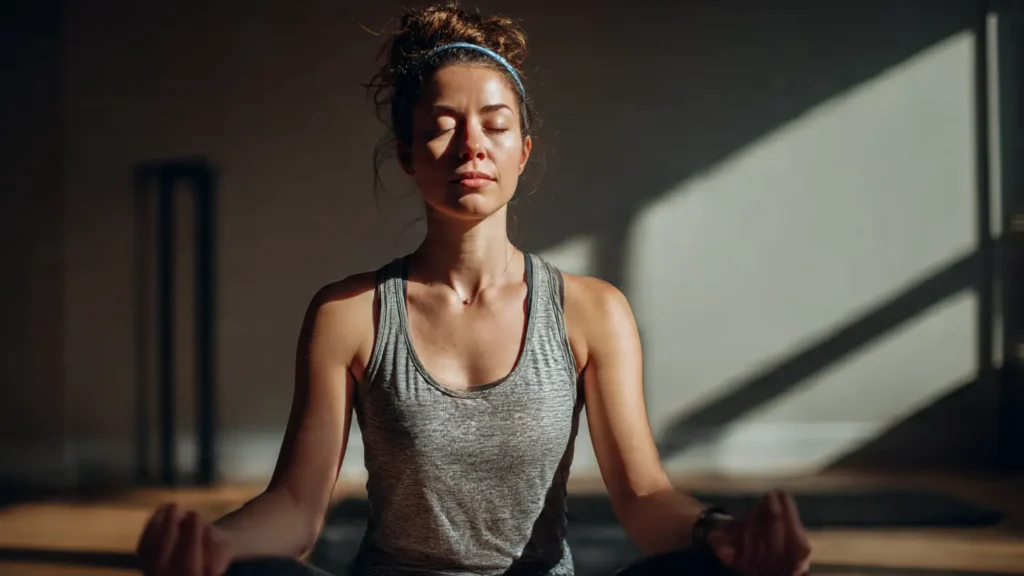
I was not convinced at the beginning–was it so that all I needed to do was to move my body and then it would rewire my brain? I chose to take the plunge and thus committed myself to practicing every day in a month. The change was not only in my flexibility but I also felt much clearer, calmer and much sharper of mind. I should like to take you through the very poses which transformed me.
The Unbelievable Connection between Yoga and Your Memory.
There was a need to learn the why before we could get into the poses. And what sense does twisting yourself in a pretzel give you in knowing where you have left your keys? As it happens, it is a potent blend of science and primeval knowledge.
To begin with, yoga is a stress reliever. When we become stressed, cortisol, a hormone that is virtually kryptonite to the memory center in your brain the hippocampus, floods your body. Yoga defends this vital region by relaxing your nervous system. Second, these poses put your body into a higher circulation of blood to the brain providing your cognitive functions with a new dose of oxygen and nutrients. Lastly, the mindful, deep breathing in it makes your brainwaves work together and makes you more focused and mentally clear. You get a complete system re-invention of your mind.
Yoga Pose that I use to sharpen my memory and laser focus.
The following are five poses that were no longer negotiable in my daily life. There is no need that you be an experienced yogi- I was by no means. You just have to appear on your mat with an open mind.
Padmasana (Lotus Pose) – Pose of Concentration.
It is here I started my journey. Padmasana is the cross-legged seat that you most likely imagine when you imagine what meditation is.
How I Do It:
My legs are extended as I sit on the floor.
I flex my right knee slightly and bring my right foot on my left thigh with the heel close to my abdomen.
Next, I folded my left knee and put my left foot on my right thigh.
I put my hands on my knees in Jnana Mudra (thumb index finger in contact), and follow up with ensuring my spine is long and straight.
Why It Works for Memory:
This pose is ground based and preparation is all. It relaxes my brain within the shortest time possible, which is the initial step of enhancing memory recall. This is accomplished by forming a firm surface on which to sit thus enabling me to do more prolonged meditation sessions, which trains my brain to concentrate and tune out the mind chatter. In my case, this was the necessary beginning point of all the other yoga asanas to have a sharp memory.
The King of All Poses Sirsasana (Headstand)
All right, do not allow this one to scare you! I began against a wall, and you should do the same. The reason why Sirsasana is called the king of asanas is quite often.
How I Do It (with a wall!):
I key my fingers together and my forearms on the mat such that my elbows distinguish a triangle.
I hold the crown of my head in my hands, and thus the back part of my head is supported.
My feet I draw up, and straighten my spine up.
I bring my legs slowly up, one after the other, and lean them on the wall to help me.
I support a moment or two, against my balance and easy breathing.
Why It Works for Memory:
This is the most ultimate brain booster. The gravity turning the other way round makes my brain and pituitary gland receive a lot of blood flow. I can always experience a rush of mental power and clarity after exiting this pose. It is as though it were directly putting powerful, nutrient-rich food into my brain cells. The high level of concentration also serves as a magnificent exercise to my muscles of concentration.
Padahastasana (Standing Forward Bend) – The Stillness in the Wind.
It is a very accessible pose and has a huge punch in relaxing the mind and enhancing blood flow.
How I Do It:
I am straight, with my feet standing hip-wise.
I will flex with a long spine as I bend forward with my hips hinged.
I make myself as low as may be–no straining!
I put my hands to the floor or take my elbows, and hang my head down.
Why It Works for Memory:
This mild inversion enhances the circulation of blood into my head much like Sirsasana but in a much mild manner. It calms me down and helps to eliminate mental exhaustion and slight anxiety. I do this pose a couple of times whenever I am experiencing a mental fog coming at me. My neck and shoulders also feel relieved and it is an added plus that also makes my head clear.
The Queen for a Reason Sarvangasana (Shoulderstand)
Assuming that the king is the Headstand, the queen is Sarvangasana, it is renowned because of the balancing effect on the whole body.
How I Do It:
I am lying on my back and, on breathing out, I raise my legs and cross them over my head.
I lean my elbows as far apart as my shoulders and support my lower back by means of my hands.
I bend my legs straight making my body straight as well as, my chin is pulled a little into my chest.
I concentrate on my toes and inhale.
Why It Works for Memory:
Paschimottanasana is so soothing my whole nervous system. It has been known to assist in alleviating stress and mild depression that represents a significant brain drain. The deep rhythmic breathing in this pose rubs my internal organs and calms my mind, creating room to concentrate on my focus and remember better. It has been a touching meditation to me.
My Real-World Results: My Case Study.
In the next 30 days, I made it a point to practice these yoga asanas at least 20 minutes daily in the first thing in the morning to have a sharp memory. I did not radically change my diet or my sleeping schedule. I just added the yoga.
These findings were truly unexpected. At the close of the first week, I realized that I was no longer frazzled in the morning when I was commuting to work. By the third week, I started remembering client information during meetings without having to go through my notes. My capability to focus was the major change.
In the past, I used to switch between five tasks simultaneously, now I could get into one project and not be distracted by something after an hour. I could think that I have changed the operating system of my brain. This was not mere feeling, but a visible positive change in my cognitive ability on a daily basis.
Weaving It All Together: This Making of Yoga a Habit.
It is not about having one great pose. They lie in the regular practice. I began by simply doing Padmasana with deep breathing of five minutes. After that I added one or two additional poses per day. Wait and pay attention to your body. It is also aimed at creating a sustainable routine that helps your mind and not to attain Instagram-worthy perfection.
Frequently Asked Questions (FAQs)
Q1: How many minutes would it take me to complete a benefit to my memory because of holding the poses?
I began by sustaining each pose between 5-8 deep breaths. As I became stronger I was able to increase my time on poses such as Sarvangasana and Sirsasana to 1-2 minutes. Stasis is more significant than time.
Q2: I’m a complete beginner. Can I still do these?
Absolutely! I was too. Start with the basics. Sirsasana Use a wall to support you, bend the knees in forward folds, sit on a cushion in Padmasana. The trick here is that you need to get a variation that does not provide pain to your body.
Q3: Do you have any poses I should not do?
It is not recommended that you do Headstand or Shoulderstand, especially in case you have neck or back injuries, high blood pressure, or you are pregnant, or consultation with a doctor, or a seasoned yoga teacher will be required. Safety first!
Q4: At what time do you find it best to practice these yoga asanas to have a sharp memory?
I realized that a morning practice establishes a relaxed and concentrated mood on my whole day. Nonetheless, an hour or so in the afternoon is also a great place to overcome the 3 PM mind lapse.
Q5: Is yoga really effective in improving memory or is it a placebo effect?
The science is there! Research has indicated that consistent yoga practice has a potential to grow the gray matter in the brain, enhance concentration and reduce cortisol levels. My own experience went hand in hand with the findings of the study–it is a potent, intrinsically natural, cognitive upgrading instrument.
And you are willing to clean out that brain filing cabinet? Calm down and have the following yoga asanas to sharpen your memory. Your brain will thank you.